6 min read
EXPLAINER / Technical Riders
What Is a Stage Plot?
A stage plot is a visual plan showing where performers, instruments and important stage equipment are intended to be positioned. It can also show microphones, DIs, monitor positions, power or other notes that help the production team understand the physical arrangement. A stage plot is commonly used with a technical rider and input list, and it should be reviewed against the actual venue stage before the show.
On this page ↓
A stage plot is a visual plan showing where performers, instruments and important stage equipment are intended to be positioned. It can also show microphones, DIs, monitor positions, power or other notes that help the production team understand the physical arrangement. A stage plot is commonly used with a technical rider and input list, and it should be reviewed against the actual venue stage before the show.
In Brief
A stage plot shows the intended physical arrangement of a performance.
It helps the receiving production understand who and what is on stage, where important equipment is positioned, and how the layout relates to audio, monitoring, backline, power and stage operation.
It is a communication document, not a guarantee that every venue has the same stage dimensions or infrastructure. The plot should be advanced against the real production.
A Stage Plot Shows the Physical Arrangement
A written rider can describe equipment and requirements. An input list can identify audio sources. The stage plot gives those requirements spatial context.
It may show the drummer at upstage centre, keyboard position at stage left, guitar and bass amplifiers behind their performers, vocal microphones across the downstage line and monitors facing the people who use them.
Orientation should be clear. Labels such as stage left, stage right, upstage, downstage or an audience direction marker prevent the drawing from being interpreted backwards.
What Should a Stage Plot Show?
Include the information needed to understand and prepare the layout. Depending on the performance, this may include:
- performer names or roles;
- instrument and backline positions;
- vocal and instrument microphone positions;
- DI locations;
- floor-monitor or other monitoring positions;
- risers, lecterns, playback or control positions;
- power locations or requirements where useful;
- important cable, access or movement notes;
- stage dimensions or minimum space where known;
- stage orientation;
- document date or version.
Not every plot needs every item. A clear simple drawing is more useful than a crowded diagram whose symbols nobody can interpret.
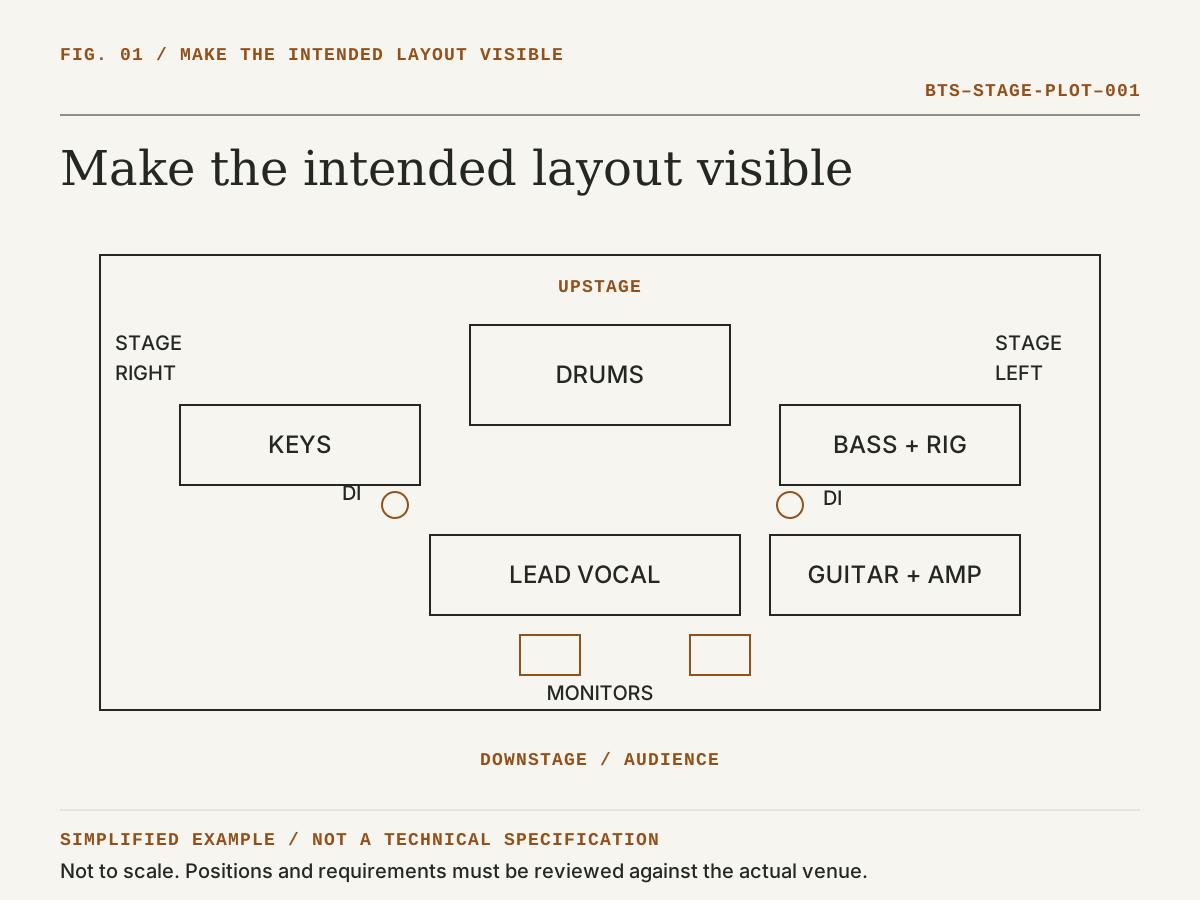
Performer Positions
Identify performers by role or a name that remains meaningful to the receiving team. “Lead vocal,” “guitar/vocal,” “drums” and “keys” may be clearer than unexplained initials.
Position affects sightlines, interaction, microphone placement, monitor coverage, cable routes, lighting, camera views and movement. If a performer changes position, several departments may need updated information.
Instruments and Backline
Show the backline that materially defines the layout: drum kit, guitar amplifiers, bass rig, keyboards, percussion and other performance equipment.
The drawing does not replace the detailed backline requirement. A rectangle labelled “guitar amp” cannot communicate model, configuration, accessories, quantity or approved alternatives. Those details belong in the rider or equipment specification.
The plot shows where the equipment is intended to work within the performance.
Microphones, DIs and Monitor Positions
Microphone stands, DIs and monitor positions can help the audio and stage teams prepare the layout and understand performer needs.
Use labels or a legend where symbols are not self-explanatory. If the plot shows three vocal microphones while the input list shows four vocal inputs, the discrepancy should be clarified rather than resolved by choosing whichever document is easier to follow.
Monitoring details vary. A floor wedge symbol may identify a position but not the complete mix requirement. In-ear monitoring can reduce visible floor equipment while still requiring transmitters, receivers, mixes, RF coordination and performer interfaces elsewhere in the production information.
Power and Other Requirements
Power positions can be shown where they help preparation, particularly for keyboards, amplifiers, pedalboards, playback, electronic instruments or artist equipment.
The plot should not be treated as an electrical design. Supply capacity, distribution, protection and venue compliance remain matters for the appropriate qualified production and venue teams.
Other useful notes can include riser size, stool or chair positions, music stands, cable-sensitive movement areas and changeover requirements.
Stage Dimensions and Orientation
Where stage dimensions or minimum clear space matter, state them clearly and identify whether the drawing is to scale.
Many stage plots are simplified and not drawn to scale. That is acceptable if the document communicates relative positions honestly. A plot should not imply exact clearances that have not been measured.
Always show orientation. “Audience” or “downstage” is often enough to establish how the page should be read.
Who Prepares the Stage Plot?
It may be prepared by the artist's production manager, tour manager, technical director, audio engineer, stage manager, musical director or another person familiar with the performance.
The receiving production should review it with the current rider and input list. The person who drew it may not know the dimensions, access or restrictions of the destination venue.
Stage Plot and Input List
The stage plot explains where performers and important equipment are intended to be. The input list explains what audio sources need to enter the sound system.
The documents should describe the same performance. Instrument count, vocal positions, stereo sources, percussion, playback and other material details should be consistent. Where they differ, ask which version reflects the current show.
Stage Plot and Technical Rider
A stage plot may be inside the technical rider or supplied as a companion document.
The wider rider can explain stage dimensions, backline specifications, monitoring preferences, power, lighting, video, communications, schedule and responsibility in more detail. The plot makes the physical relationships easier to see.
What If the Venue Stage Is Different?
Review the plot against the actual stage rather than forcing the drawing onto a space that cannot support it.
Consider usable dimensions, fixed structures, exits, access, sightlines, rigging, screens, scenic elements, camera positions, venue rules and other programme activity. A revised arrangement may be necessary.
Changes affecting the artist or performance should be discussed and approved through the appropriate production contact. Update the current working information so stage, audio, lighting, video and backline teams prepare the same layout.
What Makes a Stage Plot Useful?
A useful plot is current, legible and consistent with the rest of the technical information.
It identifies orientation, uses understandable labels, includes the elements that materially affect preparation and makes unusual requirements visible. It does not need decorative drawing or perfect scale to be useful.
Keep the Current Version
Lineups, equipment, positions and show formats change. Put a date or version on the document and make revisions obvious.
The stage team should not prepare from an old plot while the audio team follows a revised input list. Current documents should describe one current performance.
Key Takeaway
A stage plot makes the performance visible before it reaches the stage. It should show the intended arrangement clearly enough for the receiving production to review, prepare and question it.
Related questions
What is a stage plot?
A stage plot is a visual plan showing intended performer, instrument and important equipment positions on stage, commonly used with a technical rider and input list.
What should a stage plot include?
Include orientation, performer and instrument positions, material backline, microphones, DIs, monitoring, power or other notes needed to understand and prepare the layout.
Who prepares a stage plot?
It may be prepared by an artist production manager, tour manager, technical director, engineer, stage manager, musical director or another person familiar with the performance.
Is a technical rider the same as a stage plot?
No. A stage plot is the visual layout of performers and equipment on stage. It may be one part of, or an attachment to, the wider technical rider.
What is the difference between an input list and a stage plot?
The input list describes audio sources and connections; the stage plot shows intended physical positions. They should be consistent but are not interchangeable.
Should monitor positions appear on a stage plot?
Show them where they materially help preparation. The plot may indicate position, while detailed mix and system requirements can remain in the rider or audio documents.
Should backline appear on a stage plot?
Show performance equipment that defines the physical layout, but keep detailed models, configurations, accessories and alternatives in the written requirement.
What happens if the venue stage is different from the stage plot?
Review the layout against the real space, coordinate affected departments, obtain appropriate approval for material changes and update the current working plan.
Sources & references
- Tech Specs and Stage PlotsMusicians' Union / technical reference