7 min read
EXPLAINER / Live Sound
What Is a Soundcheck?
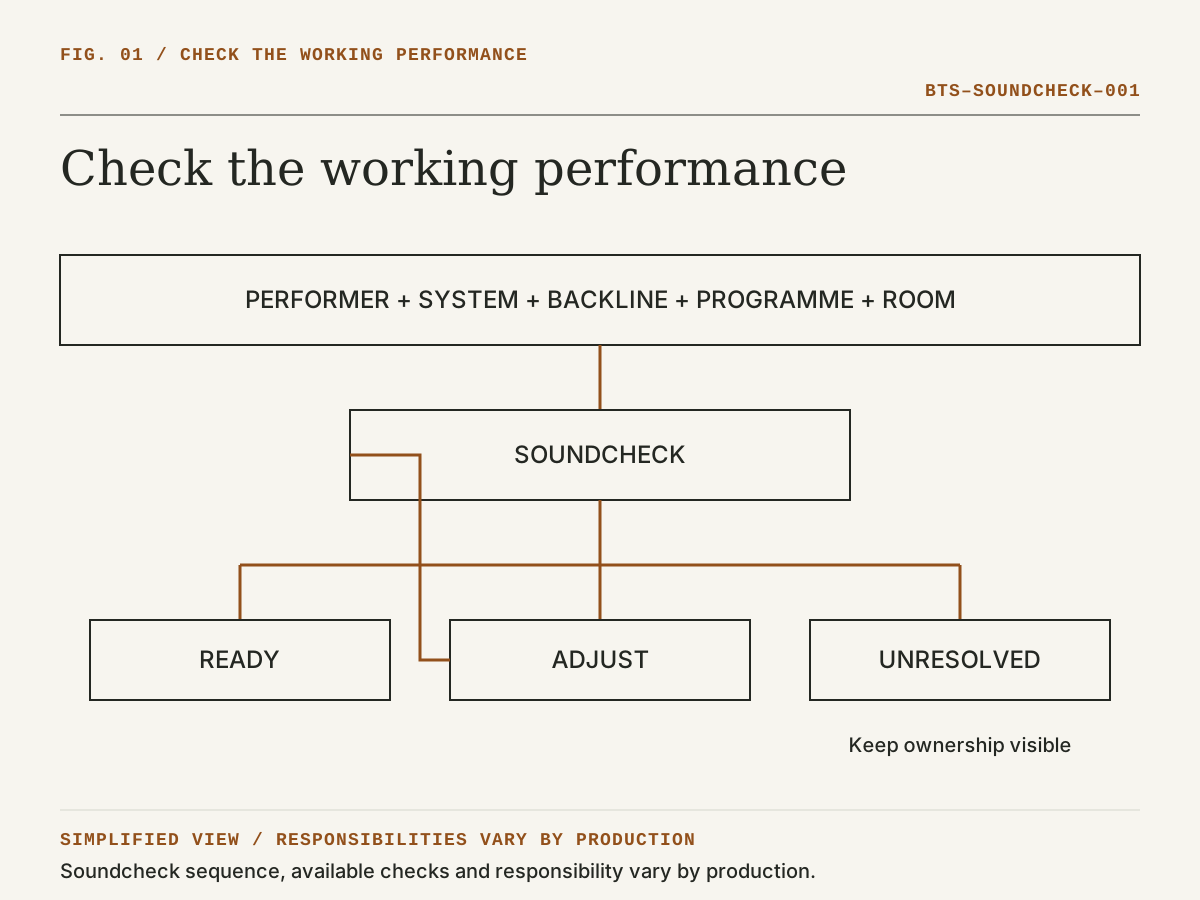
A soundcheck is the pre-show process of checking how performers and programme sources work with the prepared audio system and venue. It brings together inputs, signal paths, gain structure, routing, performer monitoring and the audience mix so the team can identify adjustments or unresolved problems before the performance begins. It is more than a test that audio reaches an output.
On this page ↓
A soundcheck is the pre-show process of checking how performers and programme sources work with the prepared audio system and venue. It brings together inputs, signal paths, gain structure, routing, performer monitoring and the audience mix so the team can identify adjustments or unresolved problems before the performance begins. It is more than a test that audio reaches an output.
In Brief
A soundcheck tests the production as a working live-sound system.
Audio may already pass through every input, but that does not confirm that performers can hear what they need, that sources are balanced appropriately, that backline and stage volume are workable, or that the audience system behaves as intended in the room.
Soundcheck is not only a test of whether audio passes from an input to an output. It is a test of whether the system works with the performers, programme and venue that will use it.
Soundcheck Is More Than “Does It Make Sound?”
Before performers arrive, the audio team may confirm that microphones, DIs, playback sources, stage connections, console inputs, outputs and loudspeaker systems pass signal. That preparation matters, but it is not the complete soundcheck.
The soundcheck adds the real sources and people. A singer changes microphone level and tone by how they perform. A drum kit interacts acoustically with the stage and room. Guitar and bass amplifiers contribute stage volume. Monitor requests change when musicians play together. The audience mix has to work with those conditions rather than with isolated test signals.
What Should Already Be Ready?
Soundcheck should not be the first moment the production discovers what equipment has arrived or how the stage is intended to work.
Where the schedule and production permit, the following should already be prepared:
- the current technical rider, stage plot and input list;
- agreed backline and approved substitutions;
- microphones, DIs, stands, cabling and stage connections;
- console files, routing and output paths where they are prepared in advance;
- performer-monitoring systems;
- audience loudspeakers and system processing;
- playback sources and required programme material;
- power, communications and relevant stage access;
- a clear soundcheck order and available time.
An unresolved item may still remain, but it should arrive as a visible question rather than a surprise hidden inside an outdated document.
Inputs and Signal Path
The team confirms that every required source reaches the intended system input and follows the expected route.
This can include microphones, DIs, electronic instruments, playback, remote sources and programme feeds. Input identity matters: hearing audio on a channel does not prove that the channel, source, label and destination agree with the current input list.
Changes should be recorded. If a source moves, a stereo playback becomes mono, or an instrument requires an additional input, the working information should reflect the show that will actually be operated.
Gain, Balance and Processing
The engineer establishes workable input levels and listens to how sources relate to one another. Equalisation, dynamics and other processing may be adjusted where appropriate, but soundcheck is not a promise that one fixed setting will remain correct throughout the event.
Performers change intensity. Programme material changes. The room and audience change what the engineer hears. Soundcheck creates a useful starting state and exposes problems; the mix still requires active operation during the show.
Performer Monitoring
Performers may need different combinations of voices, instruments, playback, click, cues or programme audio. Those mixes may be delivered through stage loudspeakers, in-ear systems or another agreed monitoring method.
Monitoring is checked with the performers who use it. A signal can exist technically while still being too quiet, too loud, unclear, distracting or missing from the mix that matters to a particular performer.
Changes to monitoring can also affect other parts of the stage. Louder wedges can increase acoustic level and spill into microphones. In-ear systems may require radio-frequency coordination and appropriate performer preparation. The solution depends on the production.
Backline and Stage Volume
Backline is what musicians perform with. Live sound captures, controls, monitors and reproduces that performance.
The systems meet on stage. Amplifier level, drum level, instrument position, microphone placement and monitor level all contribute to what performers and microphones hear. Soundcheck is where the practical relationship can be evaluated with the actual players and equipment.
This does not make the audio team responsible for every backline decision. It means the interface must be coordinated rather than treated as two isolated departments.
The Room and Audience System
The audience system should be assessed from useful listening positions where the venue and production permit it. The engineer listens for level, balance, coverage and room interaction rather than assuming that a technically correct console output produces the same result everywhere.
An empty room may behave differently after an audience arrives. Soundcheck cannot reproduce every show condition, but it can establish whether the prepared system and room provide a workable basis for the event.
Playback and Programme Material
Walk-in music, show playback, videos, stings, announcements, remote participants and other programme sources should be checked where they form part of the event.
File format, playback device, channel count, routing, cueing and responsibility should be understood before the source is needed. A band soundcheck does not automatically verify the playback path for the rest of the programme.
What Is a Line Check?
A line check commonly confirms that expected inputs are connected, identified and reaching the audio system. It may be carried out without the complete artistic performance.
A soundcheck goes further by checking the sources, performers, monitoring, audience mix and room together. Actual terminology and sequence vary between productions, so the team should be clear about what its available check is intended to achieve.
Soundcheck vs Rehearsal
A soundcheck focuses on the audio and its interaction with performers, programme and venue. A rehearsal focuses more broadly on how the performance or event runs.
The two may overlap. A rehearsal can reveal sound problems, and a soundcheck may include complete songs or programme sections. They are not automatically interchangeable: a production can need both technical readiness and a rehearsal of cues, movement, content and transitions.
Who Needs to Be Present?
The people required depend on what is being checked. They may include the relevant performers, FOH and monitor engineers, playback operators, stage or backline technicians, production management and artist representatives.
Not every person needs to attend every input check. The important point is that the people whose performance, system or decision is necessary are present when their part is evaluated.
How Long Does a Soundcheck Take?
There is no universal duration. Time depends on the number of performers and sources, monitoring complexity, backline, system preparation, changes between acts, venue conditions, programme requirements and whether problems have already been resolved during advance.
The schedule should allow for the actual work rather than applying one standard duration to every show.
What If Something Changes After Soundcheck?
Changes should be assessed and communicated. A replaced instrument, revised stage position, different performer, altered playback file or changed programme can affect inputs, monitoring, audience balance and cues.
Where possible, recheck the affected path and update the working information. Do not assume the earlier soundcheck still validates a system that has materially changed.
What Soundcheck Should Not Be Used to Discover
Soundcheck is valuable because real performers and sources expose conditions that preparation alone cannot reproduce. It should not become the planned point for discovering avoidable production gaps.
Late rider clarification, missing backline, unknown playback formats, unassigned inputs, unavailable equipment, insufficient power or an unrealistic schedule should be addressed during production advance wherever possible.
Key Takeaway
A useful soundcheck confirms that the performers, sources, monitoring, audience system, programme and room can work together—not merely that signal passes.
Related questions
What is a soundcheck?
A soundcheck brings performers and programme sources into the prepared audio system so inputs, routing, performer mixes, audience balance and operational readiness can be checked before the show.
Why is soundcheck necessary?
It checks how the real performers, sources, monitoring, audience system and venue work together, exposing issues that isolated equipment tests may not reveal.
What happens during a soundcheck?
Inputs and routes are confirmed, workable levels and mixes are established, performer monitoring is adjusted, the audience system is assessed and unresolved problems are identified.
Who needs to attend soundcheck?
The required people depend on the show, but relevant performers, engineers, playback, stage or backline technicians and decision-makers should be present when their part is checked.
What is the difference between a line check and a soundcheck?
A line check commonly confirms input connectivity and identity. A soundcheck also evaluates the sources, performers, monitoring, audience mix and room together. Terminology varies by production.
What is the difference between soundcheck and rehearsal?
Soundcheck focuses on audio readiness; rehearsal tests how the wider performance or programme runs. They may overlap but are not automatically interchangeable.
How long does a soundcheck take?
There is no standard duration. It depends on performers, inputs, monitoring, backline, preparation, venue conditions, programme and the number of changes or unresolved issues.
Can a show happen without a soundcheck?
Some productions operate with a shortened check or no full artist soundcheck, but the resulting risk and required preparation depend on the event. Audio paths and critical requirements still need an appropriate verification method.
What should be ready before soundcheck?
Current requirements, backline, inputs, connections, monitoring, audience system, playback and a workable schedule should be prepared as far as the production permits.
Sources & references
- Understanding Basic AudioYamaha Corporation of America / manufacturer
- PSM300 User Guide — Creating Monitor MixesShure Incorporated / manufacturer